
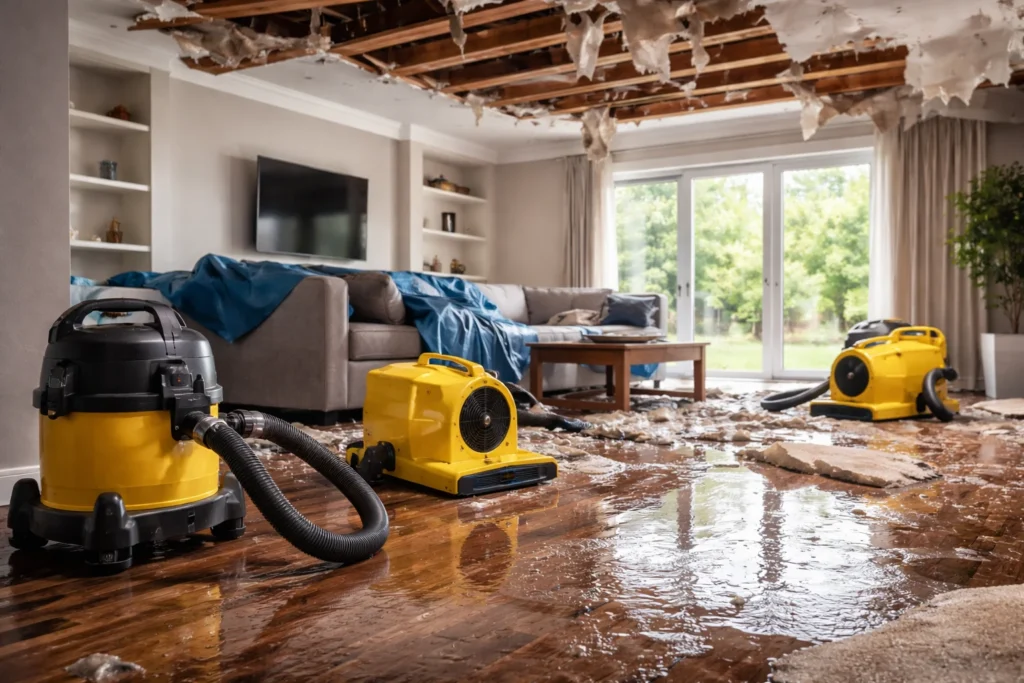
Water damage moves fast. One small leak turns into warped flooring. A slow drip becomes blackened drywall. And when you finally file your claim, the numbers don’t match the real cost of repairs. That’s exactly when a public adjuster water damage expert becomes critical — not optional.
In North Richland Hills, water losses are more common than many homeowners expect. Storm-driven roof leaks. Burst attic pipes during winter snaps. Slab leaks caused by shifting soil. Appliance failures. It happens. And when it does, the insurance claim process can feel confusing, rushed, and frustrating.
I’ve seen homeowners assume their insurer will “handle everything.” Sometimes they do. Sometimes they don’t. The difference often comes down to documentation, negotiation, and representation.
Let’s break this down clearly and practically.
Understanding Water Damage: What Most Homeowners Overlook
Water damage isn’t just about what you can see. It’s about what you can’t.
Common Causes in North Richland Hills
- Burst or frozen pipes
- Slab leaks from shifting clay soil
- Roof leaks after heavy Texas storms
- Water heater failures
- Washing machine hose ruptures
- Sewer backups
- HVAC overflow issues
The visible damage is often only the surface layer.
Insurance Categories of Water Damage
Insurance companies classify water into three categories:
| Category | Description | Risk Level |
| Category 1 | Clean water (supply line leak) | Lower risk |
| Category 2 | Gray water (appliance discharge) | Moderate contamination |
| Category 3 | Black water (sewage/flood) | Severe health hazard |
The category affects coverage. It also affects cost.
Hidden Damage Is Where Claims Go Wrong
Here’s what gets missed:
- Moisture inside wall cavities
- Saturated insulation
- Subfloor swelling
- Electrical wiring corrosion
- Mold growth within 48 hours
Insurance adjusters sometimes perform quick visual inspections. A public adjuster water damage specialist performs thorough moisture mapping and scope development. That difference matters.
How Insurance Companies Handle Water Damage Claims
Let’s be direct. Insurance companies manage risk and control payouts. That’s their business model.
The Typical Process
- Claim filed
- Company adjuster assigned
- Inspection scheduled
- Estimate generated
- Payment issued (often ACV first)
It sounds simple. It rarely is.
Why Claims Get Underpaid
- “Pre-existing damage” claims
- Maintenance-related exclusions
- Limited scope estimates
- Overlooked structural damage
- Depreciation calculations
A public adjuster water damage representative reviews the policy line by line. Most homeowners never do.
ACV vs RCV: Know the Difference
| Term | Meaning | What It Means for You |
| ACV (Actual Cash Value) | Depreciated value | Lower initial payout |
| RCV (Replacement Cost Value) | Full replacement cost | Higher payout after repairs |
Many homeowners don’t realize they must complete repairs and submit documentation to recover withheld depreciation.
Miss that step? You lose money.
What Is a Public Adjuster for Water Damage?
A public adjuster is a licensed insurance claims professional who represents you — not the insurance company.
That’s the key difference.
In Texas, public adjusters are regulated and licensed. They are legally authorized to:
- Interpret policy language
- Document damages
- Prepare detailed repair estimates
- Negotiate directly with insurance companies
- Reopen underpaid claims
When hiring a public adjuster water damage specialist, you’re leveling the playing field.
Public Adjuster vs Insurance Adjuster
| Public Adjuster | Insurance Company Adjuster |
| Works for policyholder | Works for insurer |
| Paid via contingency fee | Paid by insurance company |
| Maximizes claim payout | Controls claim cost |
| Advocates for homeowner | Represents insurer interest |
It’s not about confrontation. It’s about representation.
When Should You Hire a Public Adjuster?
Not every claim requires one. But certain situations should raise flags.
Strong Indicators You Need Help
- Multiple rooms affected
- Structural damage visible
- Mold suspected
- Claim partially denied
- Payment seems low
- Commercial property loss
- Business interruption involved
If repairs exceed $15,000 to $20,000, professional representation often becomes financially beneficial.
A public adjuster water damage professional brings experience in large-loss documentation. That experience often translates to higher settlements.
The Public Adjuster Water Damage Claim Process
Let’s get specific. Here’s how it works.
Step 1: Policy Review
Before touching a single wall, a public adjuster reviews:
- Coverage limits
- Exclusions
- Endorsements
- Mold sub-limits
- Water backup riders
This shapes strategy.
Step 2: Comprehensive Damage Documentation
This is where value is created.
- Moisture meter readings
- Thermal imaging scans
- Detailed photo logs
- Line-item Xactimate estimates
- Structural drying documentation
No guesswork. No vague numbers.
Step 3: Scope Development
Insurance estimates often miss:
- Cabinet toe-kick water intrusion
- Baseboard removal
- Insulation replacement
- Paint blending across rooms
- Flooring transitions
A public adjuster builds a complete scope — not just a surface repair estimate.
Step 4: Negotiation
Negotiation isn’t emotional. It’s technical.
A public adjuster water damage specialist submits a detailed claim package, rebuts low estimates, and negotiates supplements if additional damage is found.
Step 5: Settlement Management
They ensure:
- Depreciation recovery
- Supplemental payments
- Code upgrade allowances
- Business interruption calculations
This isn’t just about getting a check. It’s about getting the right check.
The Real Cost of Handling a Claim Alone
I’ve seen homeowners try to manage claims solo. Some succeed. Many leave money on the table.
Financial Risks
- Incomplete damage scope
- Missed mold coverage
- Underestimated labor costs
- Missed code upgrades
Time Investment
Expect:
- Multiple inspections
- Contractor coordination
- Policy interpretation
- Phone calls
- Documentation uploads
It can feel like a part-time job.
Emotional Toll
Living in a partially demolished home.
Managing drying equipment noise.
Explaining delays to family.
It’s stressful.
A public adjuster water damage professional absorbs much of that burden.
Why Water Damage Is Common in North Richland Hills
Local conditions matter.
- Heavy spring storms
- Flash rainfall events
- Aging plumbing infrastructure
- Expansive clay soil causing slab movement
Clay soil shifts. Pipes crack. Foundations move slightly. Over time, water intrusion follows.
Commercial properties face additional risk from:
- Flat roofing systems
- Large HVAC systems
- Aging sprinkler lines
This isn’t rare. It’s predictable.
Case Scenarios
Scenario 1: Burst Attic Pipe
Initial insurance offer: $24,000
Independent contractor estimate: $41,000
Final negotiated settlement with public adjuster: $46,500
Hidden insulation and framing damage were initially excluded.
Scenario 2: Storm-Driven Roof Leak
Claim initially denied due to “wear and tear.”
A public adjuster water damage review identified wind-created openings. Engineering documentation reversed the denial.
Settlement approved.
Scenario 3: Commercial Property Water Loss
Water intrusion shut down a small office for 10 days.
Insurance initially covered repairs only.
Public adjuster expanded claim to include:
- Business interruption
- Lost revenue
- Extra expense coverage
Total claim increased significantly.
Frequently Asked Questions
How much does a public adjuster charge in Texas?
Most work on contingency, typically 5%–10% of the claim payout.
Can I hire one after filing my claim?
Yes. Many homeowners hire a public adjuster water damage expert after realizing their payout is too low.
Will my insurance company retaliate?
No. You have the legal right to representation.
Is it worth it for small claims?
For minor losses under $10,000, it may not be necessary.
What about mold?
Mold often has coverage caps. Early documentation is critical.
How long do water damage claims take?
Simple claims: weeks. Complex claims: several months.
Can they reopen an underpaid claim?
Often yes, depending on timing and documentation.
What to Look for in a North Richland Hills Public Adjuster
Not all adjusters are equal.
Look for:
- Active Texas license
- Water damage claim experience
- Strong documentation process
- Transparent fee agreement
- Local knowledge
- Clear communication
Ask direct questions:
- How do you document hidden moisture?
- Do you prepare line-item estimates?
- Have you handled slab leak claims?
The answers matter.
Final Thoughts: Protecting Your Property and Your Claim
Water damage is disruptive. It’s invasive. It’s expensive.
But the insurance claim doesn’t have to be overwhelming.
Hiring a public adjuster water damage professional shifts the dynamic. Instead of reacting to insurance decisions, you move forward with strategy and documentation. You gain an advocate who understands policy language, repair costs, and negotiation tactics.
Insurance companies have experts.
You should too.
If your North Richland Hills home or commercial property has suffered water damage, don’t rush the process. Document everything. Take photos. Keep receipts. Request a full copy of your policy.
And if the numbers don’t add up, bring in representation.
Because when it comes to water damage claims, precision matters. Documentation matters. Negotiation matters.
And having the right public adjuster water damage expert on your side can make all the difference.